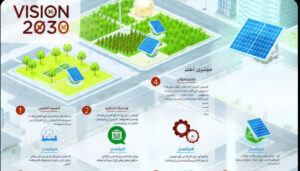
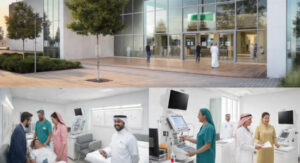
Vision 2030 on space raises an important question about how the Kingdom plans to position itself among global leaders through the growing opportunities offered by space technology
How can this ambitious national roadmap transform outer space from a distant frontier into a driving force for economic and strategic progress?
And what makes the space sector a vital pillar in achieving long-term prosperity for future generations
The increasing global race toward space is no longer limited to exploration alone but has expanded to include economic value, national security, technological innovation, and intelligence systems
Nations that invest in space today are shaping the digital infrastructure of tomorrow while building competitive industries that influence global markets and military capabilities
Saudi Arabia’s Vision 2030 recognizes this shift and places the space sector at the center of its transformation strategy
As the Kingdom positions itself for a leading role in the global innovation space has become a platform for economic diversification, environmental solutions, and scientific advancement
From satellite systems and remote sensing to AI-powered analytics, the integration of space technologies is changing the Kingdom’s development trajectory and opening new horizons for sustainable growth.
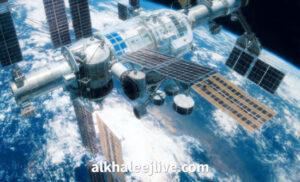
Understanding the Strategic Connection Between Vision 2030 and the Space Sector
- Why Space Has Become a Core Driver of National Growth
The relationship between Vision 2030 and the space sector reflects a new era of development in which technology becomes the foundation of national advancement
Space-based solutions enrich economic and social development by providing accurate data, smart communication systems, and real-time monitoring capabilities
These tools are essential for planning major projects, monitoring natural resources, and supporting industries such as transportation, energy, and smart cities
- Global Shifts That Make Space an Economic Priority
The world is witnessing unprecedented growth in the commercial space industry
Companies and governments alike are investing in satellite network,s digital mapping, space tourism, and ground intelligence platforms
This global competition pushes nations to enhance their capabilities and secure a strong position in the rapidly evolving space economy
The Evolution of the Space Sector in Vision 2030
- Early Foundations Shaping the Kingdom’s Modern Space Agenda
Saudi Arabia’s scientific and technological transformation did not begin with Vision 2030 alone
The Kingdom has invested for decades in universities, research centers, and scientific partnerships that paved the way for its modern space strategy
These foundations enabled the rapid expansion of the national space program and prepared the infrastructure required for future missions
- The Rise of Saudi Space Vision 2030 and Its National Significance
As part of the broader national vision, the Saudi Space Vision 2030 emerged to strengthen scientific advancement, technological innovation, and economic diversification
This vision supports national priorities, including renewable energy, environmental protection, and digital transformation by integrating advanced space technologies into national development plans
Vision 2030 on Space and Its Role in Economic Transformation
- How Space Supports Economic Diversification
Space has become one of the fastest-growing global industries, offering opportunities that expand beyond science into business and national development
Through smart infrastructure and advanced satellite systems, the Kingdom can attract new investments, launch competitive industries, and create a sustainable, diverse economy
- High Value Industries Powered by Satellite Innovation
Satellite-powered technologies support aviation, agriculture, e-commerce logistics, maritime navigation, environmental protection, and smart city planning
These sectors rely on accurate real-time space data to improve performance, reduce cost, and enhance decision-making
Technological Expansion: Space Innovations Driving 2030 Goals
- Space Data AI and the Future of National Intelligence Systems
Artificial intelligence combined with satellite data creates powerful systems that support urban planning, traffic management and resource distribution
These systems offer a strong foundation for the digital transformation outlined in the national vision
- Remote Sensing and Its Impact on Sustainability
Remote sensing technologies allow the Kingdom to monitor land desert areas and agricultural regions with unrivaled accuracy
These tools support water management, climate monitoring, and environmental projects that promote long-term sustainability
Space Expansion in 2030: National Security and Strategic Empowerment
1. Strengthening Defense Through Advanced Space Capabilities
Modern defense systems depend on:
Secure satellite communication
Early warning technology
Border surveillance from space
Crisis and emergency tracking tools
Space strengthens national protection and enhances crisis readiness
2. Enhancing Border Control and Crisis Management
Through satellite observation, the Kingdom can monitor:
Natural disaster patterns
Illegal border activity
Marine and land movement
National emergency hotspots
These capabilities protect communities and enhance rapid response
Human Capital Development: Preparing Saudi Expertise for Space
1. Training Programs and Academic Growth
Saudi Arabia supports scientific specialization through:
Aerospace engineering programs
Satellite technology labs
Astronomy and robotics research
Scholarships and national innovation initiatives
These programs prepare future experts for advanced space careers
2. International Collaboration and the Rise of Saudi Astronauts
Saudi astronauts participating in global missions demonstrate:
The Kingdom’s readiness for advanced scientific engagement
The success of long-term training partnerships
A strong foundation for future Saudi space missions
These achievements reflect the national commitment to scientific leadership
Environmental Impact: How Space Technology Supports Sustainability
Space tools help monitor:
Temperature shifts
Dust movements
Weather patterns
Land degradation
These insights support national environmental transformation projects
Space Driven Water and Agriculture Solutions
Satellite data improves:
Water conservation planning
Crop growth analysis
Soil monitoring
Desert reclamation
These tools strengthen national food security
Saudi Arabia’s New Space Economy: Investment Startups and Innovation
1. Opportunities for Entrepreneurs
The national space ecosystem supports startups in:
Robotics
Satellite imaging
AI analysis tools
Digital mapping
Remote sensing services
These opportunities strengthen Saudi Arabia’s innovation landscape
2. Foreign Investment and Industry Growth
International companies are increasingly investing in Saudi space initiatives thanks to:
Stable economic policy
Growing scientific capabilities
Large-scale national programs
Strong government support
This global engagement accelerates national development
3. A Saudi Satellite Success Story
Satellite launches in recent years contributed to:
Improved digital communication
Advanced weather forecasting
Better environmental monitoring
Enhanced national security tools
These achievements prove the Kingdom’s readiness to compete in global satellite industries
What Will Space Mean for Saudi Arabia After 2030
Saudi Arabia is expected to expand its influence in:
Satellite manufacturing
AI-integrated space systems
International cooperation
Space-based environmental solutions
Innovative economic sectors
The future promises new opportunities for scientific and economic leadership.

FAQ Section
1. What role does the space sector play in Vision 2030
It supports economic diversification, national security, digital transformation,n and long-term sustainability
2. How do satellites benefit everyday life
Through better communication, weather forecasting, agricultural logistics,s and emergency response
3. Will space innovation create more jobs
Yes, through engineering data analysis, programming, robotics, and research industries
4. How is the Kingdom preparing youth for space careers
By expanding academic programs, research centers and international astronaut training partnerships
5. Why is space important for the Kingdom’s future
Because it strengthens national planning, supports economic growth and enhances strategic capabilities
Conclusion
Space is transforming Saudi Arabia into a nation driven by innovation economic power and global leadership
Through Vision 2030 the Kingdom is building a modern sustainable and technologically advanced future powered by satellite systems scientific research and strategic space planning
As the space sector grows, the Kingdom’s influence and capabilities will continue to rise and shape its long term success.
Read also: Vision 2030 and Disability Rights: Empowering Saudi Citizens and Shaping an Inclusive Future