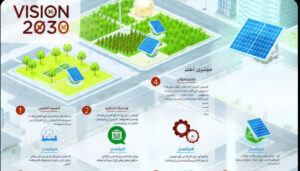
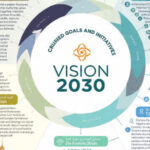
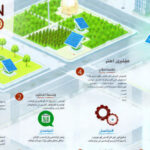
Vision 2030 header raises an essential question: How can a single national strategy reshape the future of a country while guaranteeing sustainable development for generations to come? This question marks the beginning of a transformation journey that highlights how a well-planned framework can build a strong economy, a vibrant society, and a sustainable environment without compromising future needs.
When exploring the Introduction to Vision 2030, another question naturally emerges
How did the Kingdom manage to rethink its long-term priorities and shift towards a more diversified, resilient, and sustainability-driven development model? This opens the door to understanding how megaprojects, institutional reforms, and quality-of-life initiatives have become major building blocks in shaping a modern, forward-thinking nation.
Yet many still wonder: Can such rapid transformation maintain a balance between economic growth and long term environmental protection?
Here comes the importance of the Header of Vision 2030, which serves as the foundation for understanding how the Kingdom is aligning its strategies with the global sustainable development goals. It presents a clear roadmap that guides national institutions toward economic diversification, innovation, and smart urban expansion while preserving natural resources and building a greener future.
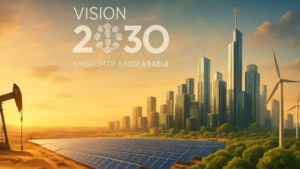
The Strategic Foundations Behind the Vision 2030 Header
The Vision 2030 header reflects the deep structural principles driving the national transformation. These foundations explain how the Kingdom is steering toward sustainable development through long-term planning and modern governance.
Economic Diversification as a Long-Term Sustainability Driver
One of the main objectives of Vision 2030 is to build a diverse and resilient economy. Relying on oil alone is no longer a sustainable option, which is why Saudi Arabia is investing heavily in new sectors, including:
tourism
renewable energy
modern industries
innovation and entrepreneurship
smart cities
This shift supports future economic security and promotes concepts such as an innovation-driven economy and economic diversification goals as essential components of national reform.
Strengthening Institutional Governance
To achieve sustainable development, strong and transparent institutions must be in place. Vision 2030 focuses on reforming the public sector by promoting:
government transparency measures
public sector modernization efforts
accountability systems in Saudi Arabia
These improvements increase trust, attract investment, and create a more efficient environment for economic and social development.
Urban Transformation and the Rise of Sustainable Cities
A major part of Vision 2030 involves transforming cities into modern, sustainable environments designed to improve residents’ quality of life.
Riyadh’s Transformation into a Global Urban Model
Riyadh is experiencing one of the largest urban transformations in the region. Several initiatives support this shift, including:
urban renewal projects in Riyadh
green space expansion initiatives
Riyadh sustainability developments
These developments not only modernize the city’s infrastructure but also reduce emissions, expand green zones, and improve mobility, making Riyadh a leading model for smart, sustainable urban planning.
Jeddah’s Urban Evolution for 2030
Jeddah is another major city undergoing rapid development as part of Vision 2030. Its transformation is visible through:
major development projects in Jeddah
urban transformation in Jeddah
Jeddah 2030 initiatives
These initiatives aim to support economic growth, modernize infrastructure, and create a more livable and sustainable urban environment on the western coast.
Human Capital Development and Youth Empowerment
At the core of Vision 2030 lies a strong belief that people are the primary drivers of progress. This makes human capital development a central pillar of the transformation.
- Empowering Youth Through Innovation
Saudi Arabia is investing heavily in youth development programs to build a more innovative and dynamic economy. Among the strongest initiatives promoting this shift are:
youth innovation programs
support for startups under Vision 2030
These programs encourage creativity, strengthen the private sector, and expand opportunities for young entrepreneurs to lead the nation’s economic future.
- Education Transformation for the Future
Vision 2030 also focuses on strengthening the education system to meet future job market needs. Key strategies include:
curriculum modernization
digital skills development
research and innovation support
expanding STEM specializations
These efforts ensure that future generations are well-prepared to contribute to a knowledge-driven, diversified economy.
Environmental Protection and Sustainable Resource Management
Sustainability is a core pillar of Vision 2030, making environmental protection a national priority.
- Expanding Green Initiatives Nationwide
Saudi Arabia is implementing wide-scale environmental programs aimed at reducing carbon emissions and protecting natural ecosystems. These include:
nationwide afforestation projects
renewable energy investments
improved waste management systems
wildlife conservation programs
Such initiatives are essential for building a greener future that protects natural resources while supporting sustainable economic growth.
Technological Transformation and Digital Innovation in Vision 2030
Technology plays a central role in the national transformation model. It enables faster decision-making, enhances public services, and improves the overall efficiency of economic and social systems.
- Building a Digital Government for the Future
Saudi Arabia is reshaping government services through large-scale digitization. This transformation supports sustainable development by:
reducing paperwork and resource waste
speeding up access to services
improving transparency and accountability
enabling data-driven policymaking
These changes reflect the vision’s commitment to building a smarter, more efficient government that meets global standards.
- Expanding Smart City Solutions Nationwide
Vision 2030 encourages the adoption of advanced technologies across cities, integrating systems such as:
smart transportation
intelligent traffic management
digital healthcare services
smart energy monitoring
urban data management
These innovations support a more sustainable urban lifestyle by improving mobility, reducing consumption, and enhancing the quality of life for residents.
The Social Transformation Pillar in Vision 2030
Saudi society is at the heart of national development. The Vision aims to build a vibrant society where cultural identity, quality of life, and community engagement flourish.
- Enhancing Community Wellbeing and Lifestyle Quality
The Vision includes major initiatives that promote healthy, active, and fulfilling lifestyles through:
more public parks and green spaces
cultural festivals and creative hubs
sports events and athletic programs
expanded entertainment and tourism offerings
These efforts help create a socially enriching environment that supports both mental and physical wellbeing.
Preserving Cultural Heritage and National Identity
Sustainability also means protecting cultural identity. Vision 2030 invests in:
restoring historical sites
promoting local craftsmanship
strengthening national heritage programs
expanding museums and cultural centers
These initiatives honor Saudi heritage while integrating it into a modern, forward-looking society.
Economic Growth Through Investment and Global Partnerships
Vision 2030 encourages global collaboration in order to boost economic development and attract investments.
Creating a Strong Investment Environment
Saudi Arabia has introduced policies that support a competitive, investor-friendly climate, including:
updated investment regulations
simplified licensing
economic zone development
increased private sector participation
These policies help diversify the economy and support long term national prosperity.
Global Partnerships Supporting Sustainable Development
The Kingdom collaborates with international organizations and global companies to implement world-class development programs. Partnerships contribute to:
knowledge sharing
advanced technology transfer
green energy innovations
sustainable infrastructure solutions
Such cooperation enhances the Kingdom’s ability to meet sustainable development goals efficiently and effectively.
Real-World Case Study: King Salman Park as a Model for Sustainability
King Salman Park stands as one of the most important urban green projects within Vision 2030. It represents how strategic planning transforms urban life while supporting sustainable development.
- Key Sustainability Features of the Park
The project integrates multiple environmentally friendly components, including:
large-scale green areas
renewable energy integration
water conservation systems
sustainable mobility options
These elements help reduce environmental impact and create a healthier living environment.
- Social and Economic Impact on Riyadh
The park contributes to:
raising quality of life
increasing recreation opportunities
reducing heat islands
supporting tourism and job creation
This makes King Salman Park a leading model for balancing modern development with environmental responsibility.
Comparison Table: Vision 2030 Sustainability Pillars
| Vision 2030 Pillar | Main Focus | Sustainability Impact |
|---|---|---|
| Economic Diversification | Expanding non-oil sectors | Long-term financial stability |
| Human Capital Development | Empowering youth & skills | Knowledge-based economy |
| Urban Transformation | Smart, sustainable cities | Improved quality of life |
| Environmental Protection | Green initiatives & energy | Reduced emissions & conservation |
| Digital Transformation | Smart government systems | Efficient resource management |
How the Vision 2030 Header Supports Long Term Sustainability
The Vision 2030 header unifies all national strategies, making sustainability a core priority. It creates a framework that guides economic reforms, urban design, social development, and environmental protection toward a shared goal. Through this integrated approach, the Vision ensures that progress is not temporary but continues to support future generations.
The header also emphasizes accountability, innovation, and efficiency. These elements ensure that national institutions remain aligned with sustainable development commitments at every stage of transformation.
Frequently Asked Questions (FAQ)
Q1: What is the main purpose of the Vision 2030 header?
The Vision 2030 header summarizes the strategic direction of Saudi Arabia’s transformation and highlights the core pillars guiding sustainable development.
Q2: How does Vision 2030 support environmental sustainability?
It promotes green initiatives, renewable energy adoption, conservation programs, and sustainable urban development across major cities.
Q3: Why is economic diversification important for sustainability?
Diversifying the economy reduces reliance on a single revenue source and supports long term national stability.
Q4: What role does technology play in Vision 2030?
Technology enhances government efficiency, supports smart city solutions, and improves the quality of life for residents while reducing environmental impact.
Q5: How is human capital development connected to sustainable development?
By empowering youth, improving education, and supporting innovation, Vision 2030 builds a capable workforce that drives long-term national growth.
Conclusion
Vision 2030 is more than a national strategy it is a comprehensive roadmap that balances economic growth, social development, and environmental protection. The Vision 2030 header clearly communicates the priorities driving this transformation, allowing every sector to align with sustainable development goals.
Through strong governance, urban transformation, youth empowerment, technological innovation, and environmental protection, Saudi Arabia is building a sustainable future rooted in long term stability and growth. This approach makes the Vision not only a national project but a global model for development centered on people, progress, and sustainability.
Read also: Vision 2030 Transparency: Measuring Success and Achieving Goals in Saudi Arabia by 2030