How does Prince Hashem bin Al Hussein continue to rise as one of the most influential young figures in Jordan’s political and cultural evolution?
And what makes his presence increasingly important in shaping both domestic affairs and Jordan’s standing in the global political arena
These questions highlight a growing interest in understanding how a young royal with deep historical lineage and national symbolism contributes to the future direction of a modern Middle Eastern state
In a region defined by rapid political shifts, generational changes, and expanding global alliances, Prince Hashem represents a new chapter of Jordanian leadership. His growing visibility, public engagement, and symbolic presence position him as a vital part of the country’s stability. As the youngest son of King Hussein, his identity is strongly associated with national pride, unity, and continuity of the Hashemite legacy. This article provides an in-depth analysis of his political role, his global relevance, and the long-term implications of his leadership for Jordan’s youth, identity, and international image.
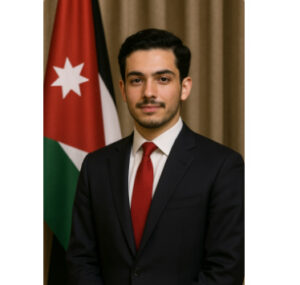
Prince Hashem bin Al Hussein. The following sections explore Prince Hashem’s background, political positioning, contributions to national development, diplomatic significance, and the broader context of Middle Eastern royal influence. These insights demonstrate why his name has become increasingly recognised, discussed, and researched both within Jordan and abroad.

Understanding the Modern Role of Prince Hashem bin Al Hussein in Jordan
The position of Prince Hashem within Jordan’s political framework goes beyond ceremonial functions. His presence in national events, involvement in cultural and educational initiatives, and participation in public responsibilities present a young yet growing political figure who embodies continuity, stability, and unity. As Jordan navigates economic reforms, regional diplomacy, and generational transformation, Prince Hashem symbolises hope and direction for many Jordanians.
- Early Life and Foundational Influences
Prince Hashem’s early life reflects a balanced upbringing rooted in tradition and modernity. Raised within the Hashemite royal environment, he developed an inherent understanding of Jordan’s political heritage, the significance of the monarchy, and the responsibilities that accompany leadership. His education, exposure to multicultural environments, and direct engagement with national institutions helped shape a personality grounded in respect, duty, and national commitment.
His formative years were also marked by observing the political philosophies of his father, King Hussein, and his brother, King Abdullah II, both of whom modelled leadership based on compassion, wisdom, and resilience. These influences continue to play a major role in shaping Prince Hashem’s values and direction.
- The Public Image of Prince Hashem bin Al Hussein
The public perception of Prince Hashem is built on respect, admiration, and expectation. His presence during national ceremonies, youth events, and cultural celebrations reflects a leader who remains close to the people. Citizens often perceive him as a figure carrying the legacy of his late father, King Hussein, while symbolising the future aspirations of Jordan’s younger generation.
Because Jordan’s political stability is tied closely to the Hashemite identity, Prince Hashem’s public image strengthens national unity. His character represents modesty, youthful ambition, and unwavering loyalty to the nation—all qualities that resonate deeply with the Jordanian public.
Prince Hashem bin Al Hussein in Politics Today
Although young, Prince Hashem already contributes to political affairs through symbolic and practical roles. His developing influence is closely connected to the values of national service, cultural preservation, and youth empowerment.
- National Development and Internal Contributions
Prince Hashem bin Al Hussein, involvement in domestic matters includes participation in initiatives aimed at strengthening education, promoting cultural identity, and enhancing youth engagement. His presence in these sectors highlights the central vision of Jordan: empowering young citizens and preserving historical heritage while moving toward a more modern and competitive future.
Key areas where Prince Hashem’s influence is visible include
Encouraging civic participation among youth through educational and leadership programs
Supporting cultural preservation projects that reinforce Jordan’s national identity
Participating in events that reflect unity and national pride
Contributing to charitable causes that strengthen social stability
While he does not hold formal political authority, his symbolic role supports the political legitimacy of the royal institution and strengthens the connection between the monarchy and the public.
- Global Representation and Diplomatic Significance
Jordan’s foreign policy is known for moderation, stability, and bridge-building, values that are deeply associated with the Hashemite tradition. Prince Hashem’s growing participation in international representation contributes to this soft power.
His diplomatic presence represents
A youthful face of Jordanian leadership on the global stage
A continuation of Jordan’s humanitarian and peace-oriented international identity
A strong symbol of the Hashemite commitment to global dialogue and coexistence
As his role expands, Prince Hashem is increasingly expected to contribute to international conferences, cultural exchanges, and diplomatic engagements that highlight Jordan’s global importance.
The Wider Middle Eastern Context: Comparing Regional Royal Influence
Understanding Prince Hashem’s political and social influence also requires placing him in the broader environment of Middle Eastern royal leadership. Throughout the region, royal families play central roles in political decision-making, social development, and cultural diplomacy.
In this context, individuals such as Prince Hamzah, Prince Ahmed bin Salman, Prince Jalawi bin Abdulaziz bin Musaad, and Prince Turki bin Talal represent important examples of how regional royals contribute to national progress, development, humanitarian projects, and political continuity.
Highlighting these figures alongside Prince Hashem allows a clearer understanding of
How young royals shape political futures
How regional leaders balance tradition with modernisation
How public image and national identity intertwine with royal responsibilities
This comparison positions Prince Hashem as part of a wider movement of renewed royal engagement across the region.
Prince Hashem bin Al Hussein in Media and Public Communication
Media presence is a defining factor in shaping modern leadership. Prince Hashem’s portrayal in local and international media reflects his growing significance in Jordan’s political narrative.
- Media Coverage and Public Presence
Media outlets regularly highlight Prince Hashem’s participation in official events, his contributions to national celebrations, and his symbolic role in maintaining Jordan’s cultural identity. These representations reinforce a strong connection between the public and the royal institution.
International media often describe him as a rising figure in Middle Eastern leadership due to his background, values, and vision.
- Digital Visibility and Social Perception
Prince Hashem bin Al Hussein in today’s rapidly digitalising world, public figures must navigate social platforms strategically. Prince Hashem’s image across online platforms reinforces a perception of responsibility, openness, and dedication. His occasional appearances generate widespread public interest, especially among youth who view him as a relatable and inspiring figure.
Long-Term Legacy and the Future Role of Prince Hashem bin Al Hussein
As Jordan continues to navigate complex political landscapes, economic reforms, and regional uncertainties, the role of Prince Hashem becomes increasingly relevant. Prince Hashem bin Al Hussein. His presence within the royal family symbolises the continuity of the Hashemite legacy—a legacy built on leadership, resilience, wisdom, and a long-standing commitment to the unity and stability of the Jordanian state.
For many Jordanians, Prince Hashem represents a future shaped by youthful optimism and strong national identity. His values mirror those of his family: dedication to public service, protection of national interests, and genuine concern for citizens. These qualities position him as one of the most promising future contributors to Jordan’s political and cultural direction.
- Impact on Jordan’s Youth and Collective Identity
Young people in Jordan play a central role in shaping the country’s future. With more than half of the population under the age of thirty, the influence of public figures who resonate with this generation is incredibly valuable. Prince Hashem stands as a symbolic figure who inspires national pride, leadership ambition, and social responsibility.
His public appearances and initiatives aimed at youth empowerment demonstrate a deep understanding of the challenges facing young Jordanians—including education, employment, innovation, and social engagement. His involvement communicates a powerful message: that young people are at the heart of Jordan’s national strategy.
Many citizens see his personality, behaviour, and commitment as a continuation of the values upheld by his father, King Hussein, who remains an iconic symbol of unity and compassion. This connection strengthens trust between the monarchy and the younger generation, ensuring long-term political stability.
- Cultural Influence and Preservation of Heritage
Culture plays a vital role in reinforcing national identity, and engagement in cultural and heritage events helps preserve Jordan’s historical narrative. His presence in such events reflects the Hashemite tradition of safeguarding Islamic heritage, supporting archaeological projects, and promoting cultural education.
Through participating in celebrations, historical commemorations, and traditional gatherings, he contributes to the preservation of identity at a time when globalisation challenges cultural roots. Jordanian citizens appreciate his authentic commitment to values that define who they are, strengthening unity and national cohesion.
Leadership Values and Principles That Shape His Influence
Prince Hashem’s leadership traits have become more visible over the years. These principles guide his approach to public life and have shaped public perception of him as a future leader.
- Integrity and Responsibility
Integrity is one of the most valued qualities in Hashemite leadership, and Prince Hashem reflects this through a disciplined, respectful, and humble public demeanour. His responsible approach to public life adds to his credibility as a national figure.
- Connection with the People
One of the distinguishing features of the Jordanian monarchy is its closeness to the people. Prince Hashem continues this tradition by maintaining a grounded personality and remaining visible at public events. His approachability strengthens trust between leadership and citizens.
- Commitment to Education and Youth Development
Education is central to Jordan’s progress, and Prince Hashem’s engagement in educational initiatives reinforces the long-standing Hashemite mission of empowering minds. His continuous involvement in youth programs, cultural institutions, and academic events demonstrates this focus.
- Promotion of Peace and Dialogue
Jordan has always been a regional leader in promoting dialogue, stability, and coexistence. Prince Hashem supports these values through his representation in humanitarian and cultural initiatives that reflect Jordan’s peaceful identity.
Prince Hashem’s Growing Diplomatic Relevance
As global politics continue to evolve, Jordan’s diplomatic presence plays a crucial role in shaping regional stability. Prince Hashem’s growing involvement in international representation helps strengthen Jordan’s soft power and global relationships.
- Symbol of Modern Jordan on the World Stage
The prince’s youth, education, and cultural understanding make him an effective representative of modern Jordan. His presence in international events promotes a positive image of the country, highlighting its moderate, progressive, and humanitarian character.
- Future Participation in Diplomatic Missions
Although his diplomatic responsibilities are still evolving, Prince Hashem’s training, background, and public role prepare him for future contributions to
international dialogue
cultural diplomacy
humanitarian cooperation
global peace efforts
He is expected to contribute more deeply to Jordan’s international alliances and partnerships as his public role expands.
Strategic Importance of Prince Hashem for Jordan’s Stability
The Hashemite monarchy remains the cornerstone of Jordan’s political system. As the kingdom continues to adapt to modern challenges, figures like Prince Hashem bin Al Hussein bring stability, continuity, and confidence.
- Strengthening National Unity
National unity is a central theme in Jordan’s political narrative. Prince Hashem’s presence reinforces unity by bringing together cultural values, historical identity, and the aspirations of younger generations.
- Supporting the Monarchy’s Future Vision
His involvement complements the long-term vision led by King Abdullah II—one focused on political reform, economic development, and regional diplomacy. Prince Hashem strengthens the institutional future of Jordan through his public image and national engagement.
Media Presence and Digital Identity of Prince Hashem
Modern leadership requires a balanced media presence. Prince Hashem bin Al Hussein’s portrayal in traditional media, digital platforms, and public communication reflects his evolving political identity.
- Local Media Portrayal
Jordanian media often highlight the prince’s participation in national celebrations, cultural initiatives, and youth events. His image is consistently portrayed as respectful, responsible, and committed to public service.
- International Media Perspective
Globally, Prince Hashem bin Al Hussein is a rising figure in Middle Eastern leadership. His Hashemite lineage, combined with his modern approach to public life, attracts attention from global political analysts, researchers, and media outlets.
- Digital Recognition and Public Engagement
In the digital age, a leader’s online presence strengthens their connection with the public. Prince Hashem’s digital image contributes to public trust and reinforces his influence among younger audiences, who view him as both relatable and inspiring.
Comparative Analysis: Prince Hashem and Regional Royal Figures
A broader look at Middle Eastern leadership shows that royal families across the region play essential roles in political, social, and cultural development. When compared to figures like Prince Hamzah, Prince Ahmed bin Salman, Prince Turki bin Talal, and Prince Jalawi bin Abdulaziz bin Musaad, Prince Hashem stands out for his strong connection to historical heritage and his symbolic role in national identity.
This comparative understanding highlights
جHow do different royal figures contribute uniquely to their nations
How traditions shape leadership styles
How modern responsibilities require adaptability and public engagement.
Prince Hashem’s balanced approach between tradition and modernisation sets him apart in the regional political landscape.
Frequently Asked Questions
1. Why is Prince Hashem considered an important figure in Jordan
He represents the continuation of the Hashemite legacy and plays an increasingly influential role in national unity, culture, and public life.
2. What contributions has Prince Hashem made to national development
He supports youth initiatives, cultural events, educational programs, and national celebrations that reinforce identity and unity.
3. How does Prince Hashem influence Jordan’s international presence
Through symbolic diplomatic participation, humanitarian representation, and embodying Jordan’s peaceful approach to global affairs.
4. What makes Prince Hashem popular among the youth
His humility, modern outlook, relatable personality, and commitment to public service inspire younger generations.
5. How does Prince Hashem compare to other Middle Eastern royals
He stands out due to his deep historical lineage, strong national symbolism, and increasing role in shaping Jordan’s modern identity.
Conclusion
Prince Hashem bin Al Hussein remains a powerful symbol of Jordan’s unity, resilience, and future aspirations. His influence spans cultural heritage, political identity, youth empowerment, and global representation. As Jordan continues to evolve, his presence as a key member of the Hashemite family reinforces national stability and strengthens the kingdom’s diplomatic standing.
His leadership qualities, values, and growing role position him as one of the most promising figures shaping Jordan’s direction for years to come. Through dedication to public service, cultural preservation, and international engagement, Prince Hashem embodies the spirit of modern Jordan—a nation grounded in tradition and driven toward a brighter future.