Online bill payments in Saudi Arabia have transformed the way individuals and businesses manage their daily financial responsibilities—but have you ever wondered how this digital shift really works behind the scenes? As Saudi Arabia continues its rapid move toward a cashless economy, paying bills is no longer a manual or time-consuming task. Instead, residents can now settle their utility bills, mobile services, and government payments within minutes, all from the comfort of their homes.
Why are online bill payments in Saudi Arabia becoming the preferred choice for millions of users every month? Is it simply about convenience, or are there deeper reasons related to security, efficiency, and financial control? With the growing number of digital platforms and banking tools, many people still feel unsure about which payment methods suit their needs best and how to avoid common mistakes.
This guide to online bill payments in Saudi Arabia is designed to answer those questions clearly and practically. Whether you are new to digital banking or looking to optimize how you manage recurring expenses, this article will provide a complete understanding of the systems, benefits, and best practices that define online bill payments today.
Online Bill Payments in Saudi Arabia: How the System Works
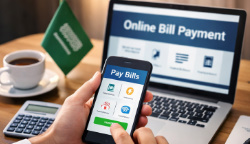
Online bill payment systems in Saudi Arabia are built on a highly integrated digital infrastructure that connects banks, service providers, and government entities. This system allows users to pay bills electronically using secure platforms that are regulated and monitored by official financial authorities.
At the core of this ecosystem is a centralized framework that enables seamless communication between different institutions. When a user initiates a payment, the system verifies the billing information, processes the transaction in real time, and updates the service provider instantly. This eliminates delays, reduces errors, and ensures accurate record-keeping.
Key components of this system include:
Digital banking platforms offered by local banks
Centralized bill payment systems that unify multiple services
Real-time transaction processing
Secure authentication methods, such as one-time passwords
This structure ensures that online bill payments are not only fast but also reliable and transparent for users across the Kingdom.
The Evolution of Digital Payments in Saudi Arabia
Saudi Arabia’s journey toward digital payments did not happen overnight. Over the past decade, the government and financial institutions have invested heavily in financial technology innovation to support economic growth and digital transformation.
Initially, bill payments required physical visits to banks or service offices. Today, users can manage all recurring expenses through mobile apps and online portals. This shift aligns with broader national goals aimed at reducing cash dependency and increasing financial inclusion.
Several factors have driven this evolution:
Increased smartphone penetration
Expansion of online banking services
Government-backed digital initiatives
Rising consumer demand for faster services
As a result, online bill payments have become a standard practice rather than a luxury.
Common Types of Bills Paid Online in Saudi Arabia
One of the main advantages of digital payment systems is their versatility. Users can pay a wide range of bills through a single platform without switching between multiple services.
Utility Bills
Utility services are among the most commonly paid bills online. These include electricity, water, and sanitation services. Digital platforms allow users to:
View current and past bills
Set up automatic payments
Receive payment confirmations instantly
This approach reduces the risk of missed deadlines and service interruptions.
Telecommunications and Mobile Services
Mobile and internet services are another major category of online bill payments. Users can handle mobile recharge ksa and internet subscriptions efficiently using banking apps or service provider platforms. Features often include:
Flexible payment options
Prepaid and postpaid management
Usage tracking and alerts
Government and Public Services
Many government-related payments can now be completed online, including fines, fees, and official services. This has significantly reduced paperwork and waiting times while improving overall service quality.
Key Benefits of Paying Bills Online
The growing adoption of online bill payments is driven by several clear advantages that appeal to both individuals and businesses.
- Convenience and Time Savings
Online payments eliminate the need for physical visits, long queues, and limited working hours. Payments can be made 24/7 from anywhere with internet access.
- Enhanced Security
Modern platforms use advanced encryption technology, multi-factor authentication, and continuous monitoring to protect user data and financial information.
Better Financial Management
Digital payment tools allow users to:
Track spending patterns
Access payment history
Plan monthly budgets more effectively
These features support smarter financial decisions and improved money management.
Security Measures Used in Online Bill Payment Platforms
Security is a top priority in Saudi Arabia’s digital payment ecosystem. Financial institutions employ multiple layers of protection to safeguard users.
Common security features include:
Secure payment gateways
Encrypted data transmission
Biometric authentication options
Automated fraud detection systems
Users are also encouraged to follow best practices such as updating passwords regularly and avoiding public Wi-Fi networks when making payments.
Challenges Users May Face with Online Bill Payments
Despite the advantages, some users encounter challenges when using digital payment systems. These issues are often related to:
Incorrect billing information
Technical errors or service downtime
Limited digital literacy for new users
Fortunately, most platforms offer customer support and clear instructions to help resolve these issues quickly.
Best Practices for Managing Online Bill Payments
To get the most out of online bill payment systems, users should adopt a few simple habits:
Enable payment reminders or auto-pay features
Regularly review transaction history
Keep personal information up to date
Use trusted and official platforms only
Following these practices helps ensure smooth, secure, and stress-free bill management.
Comparing Online Bill Payment Methods in Saudi Arabia
online bill payments in saudi arabia, Online bill payments in Saudi Arabia. With multiple digital payment options available, choosing the right method depends on convenience, accessibility, and personal preferences. Saudi Arabia offers a variety of online bill payment channels that cater to different user needs, all operating under strict regulatory oversight.
Bank Mobile Applications
Most users rely on mobile banking applications provided by local banks. These apps allow full control over bill payments, transfers, and account management from a single dashboard. They are especially useful for users who prefer centralized financial oversight.
Key advantages include:
Real-time transaction updates
Scheduled and recurring payments
Detailed billing history
However, users must ensure their apps are regularly updated to maintain security and performance.
Centralized Digital Payment Platforms
Centralized platforms enable users to pay multiple types of bills from one interface. These platforms act as intermediaries between service providers and banks, streamlining the entire process.
They are ideal for users who:
Manage multiple utility services
Prefer simplified payment workflows
Want consolidated billing records
Service Provider Portals
Some users choose to pay bills directly through official service provider websites or apps. This method is common for utilities and telecom services and offers detailed usage insights.
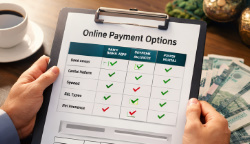
Comparison Table: Online Bill Payment Options
| Feature | Bank Apps | Centralized Platforms | Provider Portals |
|---|---|---|---|
| Ease of Use | High | Very High | Moderate |
| Payment Speed | Instant | Instant | Instant |
| Bill Variety | Medium | High | Low |
| Financial Tracking | Advanced | Basic | Limited |
| Security Level | Very High | High | High |
This comparison highlights how centralized platforms often provide broader coverage, while bank apps excel in financial control.
How Online Bill Payments Support Saudi Vision 2030
Online bill payment systems play a vital role in supporting Saudi Arabia’s long-term economic transformation goals. By reducing cash dependency and improving efficiency, these systems contribute directly to digital economic growth.
Key contributions include:
Encouraging cashless transactions
Improving transparency in financial operations
Enhancing user trust in digital services
As adoption increases, digital payments help modernize infrastructure and improve service delivery nationwide.
Managing Multiple Bills Efficiently
For households and businesses alike, managing multiple bills can be challenging without the right tools. Online platforms simplify this process by offering automated payment solutions.
Effective strategies include:
Grouping bills under one payment profile
Setting automatic payment dates
Reviewing monthly summaries
These features reduce human error and ensure bills are paid on time.
Tips for First-Time Users of Online Bill Payments
If you are new to digital bill payments, starting correctly is essential. First-time users should focus on understanding platform features and security measures.
Helpful tips:
Begin with small transactions
Activate notification alerts
Keep digital receipts for records
Over time, users gain confidence and efficiency through consistent use.
The Future of Online Bill Payments in Saudi Arabia
online bill payments in Saudi Arabia, The future of online bill payments looks promising, with continuous innovation shaping the user experience. Emerging trends include:
Artificial intelligence-driven payment insights
Smarter automation for recurring bills
Enhanced personalization features
These advancements aim to make digital payments faster, safer, and more intuitive for all users.
Frequently Asked Questions (FAQs)
What types of bills can be paid online in Saudi Arabia?
Users can pay utilities, telecommunications, government services, and subscription-based bills through approved digital platforms.
Are online bill payments secure?
Yes, platforms use advanced cybersecurity measures, including encryption and multi-factor authentication, to protect users.
Can I automate my monthly bill payments?
Most platforms allow users to set up automatic or scheduled payments to avoid missed deadlines.
What should I do if a payment fails?
Users should check transaction status, verify billing details, and contact customer support if needed.
Is online bill payment suitable for businesses?
Absolutely. Businesses benefit from streamlined expense tracking, faster processing, and improved cash flow management.
Conclusion
Online bill payments have become a cornerstone of modern financial life in Saudi Arabia. Through secure systems, flexible payment options, and user-focused technology, residents and businesses can manage expenses with confidence and ease. As digital infrastructure continues to evolve, adopting online bill payment methods is no longer just convenient—it is essential for staying connected to Saudi Arabia’s digital future.