Best Islamic bank in UAE—how can individuals and businesses confidently choose the right financial institution in a market filled with options? With the rapid growth of Islamic finance across the country, many people find themselves asking whether all Islamic banks truly operate the same way or if important differences exist beneath the surface. Understanding what separates one bank from another is no longer optional—it is essential.
When searching for the best Islamic bank in uae, customers often wonder if the services offered genuinely comply with Islamic principles or simply mirror conventional banking under a different label. Questions about transparency, ethical financing, and long-term financial security frequently arise, especially for expats and young professionals navigating the UAE banking system for the first time.
Choosing the best Islamic bank in uae is not just about religious compliance; it is also about service quality, digital accessibility, product diversity, and financial stability. This guide explores the most important factors you should consider, helping you make a well-informed decision that aligns with both your financial goals and your values.
Best Islamic Bank in UAE: What Defines the Right Choice?
Selecting the best Islamic bank in uae requires more than comparing account fees or branch locations. Islamic banking operates under a unique financial philosophy rooted in fairness, transparency, and shared risk. To make the right choice, customers must understand what truly distinguishes a strong Islamic bank from an average one.
A high-quality Islamic bank is built onethical financial principles, ensuring that all products are structured to avoid interest, uncertainty, and unjust gain. Beyond compliance, the bank should demonstrate strong governance frameworks, reliable customer support, and innovative financial solutions that meet modern needs.
Key defining characteristics include:
Clear profit-and-loss sharing models
Transparent contracts and disclosures
Certified Shariah supervisory boards
A wide range of personal and business banking services
Understanding these elements allows customers to evaluate banks confidently rather than relying solely on brand reputation.
Understanding Islamic Banking Principles in the UAE
Islamic banking in the UAE is guided by faith-based financial rules that prioritize social responsibility and economic justice. These principles form the foundation of every product and service offered.
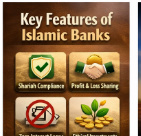
At its core, Islamic banking prohibits interest and encourages trade-based or partnership-based transactions. Instead of earning money from lending alone, banks generate income through asset-backed financing, leasing structures, and shared investments.
Common principles include:
Profit and loss sharing between the bank and the customer
Avoidance of speculative activities
Financing tied to tangible assets
Commitment to socially responsible investments
These guidelines ensure that financial growth benefits all parties fairly, making Islamic banking an appealing option even for non-Muslims seeking ethical alternatives.
Key Banking Services Offered by Islamic Banks
Modern Islamic banks in the UAE offer a wide range of services designed to meet everyday financial needs without compromising religious values. These services are structured to remain competitive while maintaining compliance.
Islamic banks provide financing through structured agreements rather than traditional loans. These models emphasize transparency and fairness while allowing customers to access funding for personal or business needs.
How Islamic Banks Support Expats and Residents
The UAE’s diverse population has pushed Islamic banks to evolve and adapt. Today, many institutions cater specifically to expats by offering multilingual services, simplified onboarding, and flexible account requirements.
Key benefits for expats include:
Easy account opening processes
Competitive salary transfer packages
Access to international remittance services
Digital-first banking platforms
This focus on accessibility has positioned Islamic banks as trusted financial partners for both locals and expatriates.
Comparing Islamic and Conventional Banks
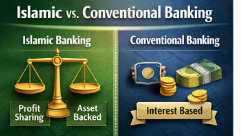
While both Islamic and conventional banks offer similar end goals—safe money management and financial growth—their operational models differ significantly.
Islamic banks emphasize:
Risk-sharing rather than risk transfer
Asset-backed transactions
Ethical investment screening
Conventional banks typically rely on interest-based income and credit-driven profits. Understanding these differences helps customers choose a banking system that aligns with their personal beliefs and financial expectations.
Digital Banking and Innovation in Islamic Finance
Technology has transformed Islamic banking in the UAE. Leading banks now invest heavily insecure digital platforms, mobile apps, and automated customer service tools.
Innovations include:
Instant account management
Online financing applications
AI-powered customer support
Enhanced cybersecurity systems
These advancements ensure that Islamic banks remain competitive in a fast-paced financial environment while preserving traditional values.
Regulation and Trust in UAE Islamic Banks
Trust plays a critical role in banking decisions. Islamic banks in the UAE operate under strict regulatory oversight to protect customers and maintain system stability.
Strong regulatory frameworks ensure:
Financial transparency
Consumer protection
Compliance audits
Risk management standards
This oversight builds confidence and reassures customers that their funds are managed responsibly.
How to Compare Islamic Banks Before Making a Decision
Choosing the right Islamic bank requires a structured comparison process rather than relying on advertisements or word-of-mouth recommendations. A smart comparison focuses on banking value propositions, service quality, and long-term usability.
When comparing options, consider the following:
Transparency of contracts and disclosures
Variety of financial products available
Quality of customer service and support
Digital banking performance and usability
Long-term cost efficiency
A reliable bank should clearly explain how profits are generated and how risks are shared, ensuring customers fully understand the financial relationship.
Factors That Impact Customer Experience in Islamic Banks
Customer experience is a major differentiator in today’s competitive banking landscape. Beyond compliance, customers expect efficiency, responsiveness, and personalization.
Key experience-related factors include:
Speed of account opening
Availability of multilingual support
Access to relationship managers
Mobile and online banking performance
Banks that invest in customer-focused banking strategies tend to build stronger, longer-lasting relationships with their clients.
Islamic Financing Options: What You Should Know
Islamic banks offer multiple financing structures designed to replace conventional interest-based lending. These models focus on shared responsibility and asset-backed agreements.
Common financing structures include:
Cost-plus financing agreements
Leasing-based financing models
Partnership-based funding structures
Each option is designed to support ethical financial growth while maintaining fairness for both the bank and the customer.
Understanding these models helps customers choose financing options that align with their financial capacity and long-term goals.
Islamic Credit Cards and Payment Solutions Explained
Modern Islamic banks provide advanced payment solutions that mirror conventional banking convenience without compromising ethical standards. These products are structured to avoid interest while still offering flexibility.
Typical features include:
Monthly settlement structures
Transparent fee models
Rewards aligned with ethical spending
Digital payment integrations
For users seeking convenience and control, these cards offer ethical payment flexibility suitable for everyday transactions.
Savings, Investments, and Wealth Management
Islamic banks are increasingly expanding their savings and investment offerings to meet growing demand. These products are designed to support financial planning without speculative risk.
Such offerings appeal to customers looking for faith-aligned financial growth while maintaining capital security.
Business and Corporate Banking in Islamic Finance
Islamic banks play a vital role in supporting entrepreneurs and businesses across the UAE. Corporate banking solutions focus on partnership, trade financing, and asset-backed growth.
Business customers benefit from:
Trade and working capital solutions
Structured business financing
Cash management services
Advisory support
This approach encourages sustainable growth and shared success between banks and businesses.
Common Mistakes to Avoid When Choosing an Islamic Bank
Many customers make avoidable mistakes during the selection process. Being aware of these pitfalls can save time and prevent future dissatisfaction.
Common mistakes include:
Choosing based on brand name alone
Ignoring contract details
Overlooking digital banking quality
Not comparing service fees
Failing to assess long-term needs
Avoiding these errors leads to more informed and confident banking decisions.
How to Choose the Right Islamic Bank
Use this checklist to evaluate your options clearly when searching for the best islamic bank in uae:
Does the bank fully comply with Islamic financial principles and approved Shariah guidelines?
Are product terms transparent, clearly explained, and easy to understand?
Does the bank offer digital banking services that meet your daily and long-term needs?
Is customer support accessible, responsive, and reliable across multiple channels?
Are all fees, charges, and profit structures clearly disclosed upfront?
This checklist helps simplify the decision-making process and ensures nothing important is overlooked when choosing the best islamic bank in uae for your financial goals.
Future Trends in Islamic Banking in the UAE
The Islamic banking sector in the UAE continues to evolve rapidly, reinforcing the position of the best islamic bank in uae as a leader in ethical and modern finance. Innovation, sustainability, and digital transformation are shaping the future of the industry.
Emerging trends include:
Expansion of digital-only banking services
Increased focus on ESG standards and ethical finance
AI-driven customer service and smart banking solutions
Personalized financial products based on customer behavior
These developments signal a strong future for next-generation Islamic banking and provide customers with smarter ways to identify the best Islamic bank in uae.
Frequently Asked Questions (FAQs)
Q1: What makes an Islamic bank different from a conventional bank?
Islamic banks operate without interest and rely on asset-backed and profit-sharing models that promote fairness, transparency, and ethical finance.
Q2: Can non-Muslims use Islamic banks in the UAE?
Yes, Islamic banks are open to everyone and are often chosen for their transparency, ethical structure, and competitive services.
Q3: Are Islamic banking products competitive in pricing?
Most Islamic banking products are competitively priced and, in many cases, offer similar or better value compared to conventional banking options.
Q4: Is digital banking available with Islamic banks?
Yes, many Islamic banks provide advanced digital platforms, mobile apps, and online banking services.
Q5: How safe are Islamic banks in the UAE?
Islamic banks operate under strict regulatory oversight, ensuring strong security standards and long-term financial stability.
Conclusion: Making the Right Banking Choice
Selecting the best Islamic bank in uae is a strategic financial decision that impacts both your present and future. By understanding Islamic banking principles, comparing services carefully, and evaluating customer experience, you can confidently choose a bank that aligns with your financial goals and ethical values.
Take the time to assess your needs, review available options, and prioritize transparency and service quality. A well-chosen Islamic bank can become a long-term financial partner that supports sustainable growth, stability, and peace of mind.