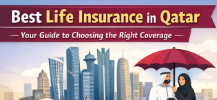
Life insurance is a financial product that provides a lump sum payment to your beneficiaries in the event of your death. It ensures that your family is financially secure in your absence. In a place like Qatar, where the cost of living can be high, having life insurance can be a crucial safeguard for your loved ones’ future.
In Qatar, the best life insurance plans come with varied benefits such as term life insurance, family protection plans, and expat life cover. These options are designed to cater to different groups, from long-term residents to short-term expatriates. But, with so many providers and policies available, understanding what makes a life insurance plan the best fit for you can be a challenge.
Factors to Consider When Choosing Life Insurance in Qatar
1. The Type of Life Insurance You Need
Before making any decisions, you must understand the different types of life insurance available in Qatar. The primary types of life insurance are:
Term Life Insurance: This is the most basic form of life insurance. It provides coverage for a specific period (usually 10, 20, or 30 years) and is a great option for those seeking affordable premiums.
Whole Life Insurance: This type offers lifelong coverage and can serve as an investment tool. While premiums are higher than those of term insurance, it guarantees coverage for your entire life.
Endowment Policies: These policies pay a lump sum after a certain period, either on death or at the end of the policy term.
The choice of insurance type depends on your age, financial goals, and how long you want to be covered. Term insurance in Qatar is popular for those who need affordable, temporary coverage, while whole life insurance may be preferred for those looking for a permanent solution.
2. Coverage and Benefits
When comparing policies, it’s important to look at the coverage and the benefits that each plan provides. For example:
Family Protection Plans: These plans are designed to offer protection for your spouse and children in case of your death. Depending on the plan, they may cover funeral costs, daily living expenses, and even education fees for your children.
Expat Life Cover: For expatriates living in Qatar, many insurance providers offer plans that cater specifically to their needs. These plans often include coverage that extends to your home country or wherever you may move in the future.
Each insurance plan has unique benefits, so make sure to review what is covered under each policy before making your choice.
3. Your Budget
Life insurance premiums can vary greatly depending on the level of coverage and the type of policy you choose. The best life insurance in Qatar should fit within your budget while still providing adequate coverage. The key is to balance affordability with sufficient protection for your family. It’s worth noting that term insurance policies generally have lower premiums compared to whole life insurance.
Best Life Insurance Providers in Qatar
Several reputable insurance companies in Qatar offer competitive life insurance plans. Some of the top providers include:
Qatar Insurance Company: Known for its flexible life insurance plans, Qatar Insurance Company offers both term insurance and whole life insurance options. Their policies are customizable, ensuring that you get the coverage you need.
Doha Insurance: A well-established name in the Qatari insurance market, Doha Insurance provides a variety of life insurance options, including family protection plans and endowment policies.
AXA Insurance: AXA offers both expat life cover and more traditional life insurance products, making them an excellent choice for expatriates living in Qatar.
It’s essential to compare the offerings of these providers and choose one that aligns best with your needs.
Understanding the Key Benefits of Life Insurance in Qatar
1. Financial Security for Your Family
The primary benefit of life insurance is the peace of mind it offers, knowing that your family will have financial security if something were to happen to you. This can be particularly important in Qatar, where many families rely on the primary breadwinner’s income to cover living expenses, including housing, schooling, and healthcare.
2. Tax Benefits
In Qatar, life insurance premiums can sometimes be tax-deductible, making it a cost-effective option. While Qatar does not impose income taxes on individuals, certain insurance products may qualify for tax exemptions or deductions, which can save you money in the long run.
3. Long-Term Savings and Investment Options
Some life insurance policies, such as whole life insurance or endowment plans, offer a long-term savings component. These policies not only provide life coverage but also build a cash value over time. This cash value can be used for investments, loans, or even as an additional income source in retirement.
4. Coverage for Critical Illness
Certain life insurance policies in Qatar may also cover critical illnesses such as cancer, heart disease, and stroke. This added coverage ensures that you have the financial means to cope with the high cost of medical treatments for serious illnesses.
Key Factors to Look for in a Life Insurance Policy in Qatar
When shopping for the best life insurance in Qatar, there are several factors you should consider to ensure that you select the right plan for your circumstances.
1. Premium Costs and Payment Flexibility
One of the first things to consider is the premium cost and whether it fits into your budget. Life insurance premiums can vary based on factors such as your age, health, and coverage amount. Make sure to compare premiums from different providers to find the best rate.
Additionally, look at the payment flexibility of the policy. Some providers may offer flexible payment plans, allowing you to pay premiums monthly, quarterly, or annually. This can be particularly useful if you need to adjust your payment schedule based on your financial situation.
2. Policy Riders and Additional Coverage
Many life insurance policies offer riders or additional coverage options that you can add to your plan. These riders can enhance the scope of your coverage by providing protection against specific risks. Some of the common riders available include:
Critical Illness Rider: This rider offers a lump-sum payout if you are diagnosed with a serious illness such as cancer or heart disease.
Accidental Death Rider: This rider provides additional coverage in the event of an accidental death.
Disability Rider: This rider ensures that your premiums are waived if you become disabled and unable to work.
Ensure that you review the available riders and add those that best suit your needs.
3. Insurer’s Reputation and Financial Stability
When choosing a life insurance provider, it’s crucial to consider the insurer’s reputation and financial stability. You want to ensure that the company you choose is trustworthy and capable of fulfilling its financial obligations to policyholders.
Look for providers with strong financial ratings from independent agencies and read customer reviews to get an understanding of the company’s customer service and claims process. A reputable insurer will make it easier for your family to file a claim and receive the benefits they deserve.
How to Make the Most of Your Life Insurance
1. Review Your Policy Regularly
Once you have purchased your life insurance policy, it’s important to review it regularly. Major life changes such as marriage, having children, buying a house, or changing jobs may necessitate adjustments to your coverage.
For example, if you’ve recently expanded your family, you may want to increase your coverage to ensure that your children’s future is secure. Likewise, if you’ve paid off debts like a mortgage, you might be able to adjust your policy’s death benefit to match your new financial situation.
2. Beneficiaries and Payout Distribution
It’s also essential to review and update your beneficiaries. Ensure that the individuals or organizations you wish to receive the payout are listed correctly in your policy. This can help prevent any confusion or delays in the claims process.
Some policies allow you to specify how the payout should be distributed. For example, you may want a portion of the death benefit to go toward paying off debts or funding your children’s education. Make sure to review these preferences regularly to ensure they align with your current wishes.

Frequently Asked Questions (FAQ)
1. What is life insurance and why do I need it in Qatar?
Life insurance is a financial product that pays a lump sum to your beneficiaries if you pass away. It helps provide financial security for your loved ones, covering expenses like debts, education, and daily living costs. In Qatar, where living expenses can be high, having life insurance is a smart way to ensure your family is protected in your absence.
2. What types of life insurance are available in Qatar?
There are several types of life insurance available in Qatar:
Term Life Insurance: Offers coverage for a specific period and is usually the most affordable option.
Whole Life Insurance: Provides coverage for your entire life and includes a cash value component that grows over time.
Endowment Policies: Pays a lump sum after a set period, either upon death or the end of the policy term.
3. How much life insurance coverage do I need?
The amount of coverage you need depends on your personal and financial situation. A general guideline is to have coverage that is at least 10 times your annual income. However, you should also consider your family’s future needs, such as mortgage payments, children’s education, and other debts.
4. Can expatriates get life insurance in Qatar?
Yes, expatriates in Qatar can obtain life insurance, and many insurers offer plans specifically tailored to expats. These policies may offer coverage in your home country as well as in Qatar, making it a good option for those who plan to move or travel frequently.
5. How do I apply for life insurance in Qatar?
To apply for life insurance in Qatar, you will need to select an insurance provider, decide on the type of policy you want, and submit an application. The process may include a medical examination and health assessments, depending on the policy. Most providers allow applications online or in person.
6. Are life insurance premiums tax-deductible in Qatar?
Qatar does not impose income tax on individuals, so life insurance premiums are not subject to tax deductions. However, some policies may offer additional tax benefits in the form of savings and investment growth, depending on the plan you choose.
7. Can I adjust my life insurance policy later on?
Yes, you can typically make adjustments to your life insurance policy, such as increasing or decreasing your coverage, adding riders (e.g., critical illness or disability coverage), or changing beneficiaries. It’s important to review your policy regularly, especially after significant life events like marriage, having children, or purchasing a home.
8. What are the benefits of choosing life insurance with a cash value component?
Life insurance policies with a cash value component, like whole life or endowment policies, offer both protection and a savings element. The cash value grows over time and can be used for loans, investments, or as an additional income source in retirement. This type of policy offers more long-term financial benefits in addition to the death benefit.
Conclusion
Choosing the best life insurance in Qatar is an important decision that requires careful consideration of your personal and family needs. By understanding the types of coverage available, comparing different providers, and assessing your financial situation, you can find a plan that offers both the protection and peace of mind you need. Whether you are looking for term insurance, family protection plans, or expat life cover, Qatar’s life insurance market offers plenty of options to suit your lifestyle and budget.
Remember that the right life insurance policy will not only provide financial security but also offer long-term benefits, including savings, investment growth, and potential tax savings. Start by researching your options and speaking with insurance advisors to make an informed decision today.