Apply for a personal loan in Qatar is often the first solution people think of when facing major expenses such as relocation costs, medical bills, education fees, or consolidating existing debt. But have you ever stopped to ask yourself whether you truly understand how the loan system works in Qatar? Many residents rush into loan applications without knowing the requirements, the hidden costs, or how banks assess their eligibility.
Qatar’s banking system is well-regulated and competitive, which works in favor of borrowers. However, this also means banks apply strict evaluation criteria. From employment status and monthly income to employer classification and credit behavior, every detail matters. Without proper preparation, even high earners may face rejection or unfavorable loan terms.
Apply for a personal loan in qatar, This guide is designed to remove confusion and give you a clear, structured understanding of how personal loans work in Qatar. Whether you are a Qatari national or an expatriate, this article explains the process, requirements, common mistakes, and smart strategies to improve your approval chances while securing favorable loan conditions.
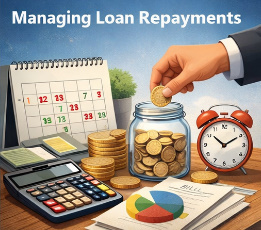
Understanding Personal Loans in Qatar
What Is a Personal Loan?
A personal loan in Qatar is an unsecured form of financing provided by banks to individuals for personal use. apply for a personal loan in qatar< Unlike car or home loans, personal loans do not require collateral. Instead, banks rely on income stability, employer reputation, and repayment capacity.
Personal loans are commonly used for:
Emergency expenses
Education and professional development
Travel and relocation
Debt consolidation
Home improvements
Because the loan is unsecured, banks focus heavily on creditworthiness assessment, repayment history, and income sustainability.
How the Qatari Banking System Handles Personal Loans
Qatar Central Bank regulates lending practices to protect both banks and borrowers. This ensures transparency, interest rate limits, and standardized documentation requirements. Most banks offer competitive packages, but the terms may vary depending on whether you work in the public or private sector.
Key factors banks consider include:
Length of employment
Employer category
Monthly salary
Existing financial commitments
debt-to-income ratio
Understanding these internal evaluations helps applicants prepare stronger applications.
Who Can Apply for a Personal Loan in Qatar?
Eligibility Criteria Explained
Before you apply for a personal loan in Qatar, you must meet specific eligibility standards. While these vary slightly across banks, most institutions follow similar guidelines.
General requirements include:
Minimum age (usually 21 years)
Maximum age at loan maturity (typically 60–65 years)
Stable monthly income
Valid residency permit (for expatriates)
Acceptable credit history
Banks also categorize employers into approved lists, which directly affects approval speed and interest rates.
Employment Sector and Salary Requirements
apply for a personal loan in qatar< Your employment sector plays a critical role. Government and semi-government employees often receive preferential terms, while private-sector employees may face stricter conditions.
Typical salary expectations:
Government sector: lower minimum salary threshold
Private sector: higher income requirement
Contract-based jobs: additional scrutiny
Banks also look closely at income stability analysis, ensuring your earnings can comfortably support monthly repayments.
Documents Required for a Personal Loan Application
- Essential Paperwork Checklist
Preparing documents in advance can significantly speed up the loan approval process. Most banks request similar documentation.
Required documents usually include:
Valid QID copy
Passport copy
Salary certificate
Bank statements (last 3–6 months)
Employment contract
Salary transfer letter
Incomplete documentation is one of the most common reasons for application delays or rejections.
Why Salary Transfer Matters
Most banks require borrowers to transfer their monthly salary to the lending bank. This gives the bank assurance of repayment and often leads to better loan terms.
Benefits of salary transfer include:
Faster approval
Higher loan amounts
Lower interest rates
Longer repayment periods
Understanding salary-linked financing benefits can help you choose the right bank.
Loan Amounts and Repayment Terms
How Much Can You Borrow?
The maximum loan amount is typically calculated as a multiple of your monthly salary. apply for a personal loan in qatar< Banks ensure that total repayments do not exceed regulatory limits.
Key considerations:
Monthly income
Existing loans or credit cards
Employer classification
Length of employment
Borrowers with clean financial records often qualify for higher limits.
Loan Tenure and Monthly Installments
apply for a personal loan in qatar. Loan tenures usually range from 12 to 60 months. A longer tenure reduces monthly payments but increases total interest paid over time.
When choosing tenure, consider:
Monthly cash flow
Job stability
Long-term financial goals
repayment affordability planning
Balancing installment size with total cost is crucial.
Interest Rates and Fees Explained
Understanding Interest Structures
Interest rates can be fixed or variable, depending on the bank’s policy. Fixed rates provide predictable payments, while variable rates may fluctuate based on market conditions.
Other costs may include:
Processing fees
Early settlement fees
Late payment penalties
Knowing the full cost structure helps avoid unpleasant surprises.
Hidden Costs to Watch Out For
Many borrowers focus only on interest rates and overlook additional charges. Always review:
Loan insurance requirements
Administrative fees
Restructuring charges
total loan cost breakdown
Transparency is key when comparing offers.
Common Mistakes to Avoid When Applying
Applying Without Financial Preparation
Many applicants underestimate the importance of financial readiness. Submitting multiple applications simultaneously can negatively impact approval chances.
Avoid:
Overestimating borrowing capacity
Ignoring existing obligations
Submitting incomplete documents
Smart planning improves approval outcomes.
Ignoring Long-Term Commitments
A personal loan is a long-term responsibility. Borrowers should consider potential life changes such as job switches or relocation.
Always assess:
Job security
Emergency savings
financial risk management
Responsible borrowing protects your financial future.
How Expat Status Affects Loan Approval
When you apply for a personal loan in Qatar as an expatriate, banks apply additional layers of evaluation. While expats have access to most personal loan products, approval depends heavily on residency stability, employer credibility, and contract duration.
Banks typically assess:
Length of stay in Qatar
Remaining period on residency permit
Employer reputation and sector
employment continuity risk
Expats working for multinational companies or government-linked entities often enjoy smoother approvals and more flexible terms.
Private vs Government Sector for Expats
Expats in the government or semi-government sector usually benefit from:
Lower interest margins
Higher loan limits
Faster approval timelines
Private-sector employees may still qualify, but banks may require:
Higher minimum salaries
Longer employment history
Stronger financial profiles
Understanding how sector-based loan assessment works helps expats set realistic expectations.
Choosing the Right Bank for Your Personal Loan
Key Factors to Compare Before Applying
Not all banks offer the same loan experience. Choosing the right bank can save you significant money over the loan term.
Important comparison factors include:
Interest rate structure
Loan processing time
Early settlement flexibility
Customer service quality
loan transparency standards
A slightly lower interest rate may not always be the best deal if fees are higher.
Why Bank Reputation Matters
Banks with strong reputations usually offer clearer terms and better post-loan support. This becomes especially important if you need:
Loan restructuring
Early repayment
Payment deferment
Evaluating bank reliability indicators helps protect you from future complications.
Improving Your Chances of Loan Approval
Financial Steps to Take Before Applying
Preparation plays a critical role in loan success. Before submitting an application, borrowers should ensure their finances are well-organized.
Recommended steps:
Clear outstanding dues
Reduce credit card balances
Maintain stable income flow
financial profile optimization
Even small improvements can positively influence approval decisions.
Timing Your Application Strategically
Applying at the right time increases approval odds. Banks prefer applicants who have:
Completed probation periods
Recently received salary increments
Stable recent bank statements
Avoid applying immediately after changing jobs, as this raises income stability concerns.
Understanding Loan Approval and Disbursement Timelines
How Long Does Approval Take?
Approval timelines vary depending on bank policies and applicant profile. On average:
Initial review: 1–3 working days
Final approval: 5–7 working days
Disbursement: 1–2 working days
Delays often occur due to missing documents or employer verification.
What Happens After Loan Approval
Once approved, borrowers receive a formal offer outlining:
Loan amount
Repayment schedule
Interest rate
Applicable fees
Carefully reviewing the offer ensures clarity and avoids misunderstandings. This stage is critical for loan agreement awareness.
Managing Your Personal Loan Responsibly
Smart Repayment Strategies
Managing your loan wisely protects your financial health. Consider:
Setting automatic deductions
Paying installments on time
Making early repayments when possible
These habits reduce interest costs and strengthen your financial standing through positive credit behavior.
Handling Financial Challenges During Repayment
Life circumstances can change. If you face financial difficulty:
Contact your bank immediately
Discuss restructuring options
Avoid missed payments
Proactive communication helps prevent penalties and credit damage.
Personal Loan vs Other Financing Options
Is a Personal Loan Always the Best Choice?
While personal loans are flexible, they may not always be the most cost-effective option.
Alternatives include:
Credit cards for short-term needs
Employer advances
Specialized financing products
Comparing options using cost-benefit financial analysis ensures smarter decisions.
When a Personal Loan Makes Sense
A personal loan is ideal when:
You need a lump sum
You prefer fixed repayments
You want predictable budgeting
Understanding use cases ensures responsible borrowing.

Frequently Asked Questions (FAQs)
Q1: Can I apply for a personal loan in Qatar with a low salary?
Yes, but approval depends on meeting minimum income requirements and employer classification. Lower salaries may limit loan amounts or require stricter terms.
Q2: How long must I work in Qatar before applying?
Most banks require a minimum employment period, typically ranging from 3 to 6 months after completing probation.
Q3: Can expats get long-term personal loans?
Yes, expats can access long-term loans, but tenure may depend on contract duration and residency validity.
Q4: What happens if I change jobs during repayment?
You must inform your bank immediately. Some banks may require loan restructuring or full settlement.
Q5: Are early loan repayments allowed?
Yes, most banks allow early settlement, though some may charge a settlement fee.
Conclusion
To apply for a personal loan in Qatar successfully, borrowers must combine preparation, awareness, and responsible decision-making. Understanding eligibility requirements, comparing banks carefully, and managing repayments wisely can turn a personal loan into a powerful financial tool rather than a burden.
Whether you are a long-term resident or a newcomer, informed borrowing helps you achieve goals while maintaining financial stability. Take time to evaluate your options, plan ahead, and commit to smart financial habits that support your future.