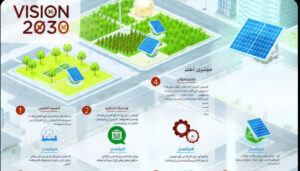
Vision 2030 topics have generated widespread curiosity across the world, but what makes these themes so influential in shaping Saudi Arabia’s future? Is it the clarity of its strategic pillars, the boldness of its economic transformation, or the strong and rapid progress seen across education and development sectors? These questions encourage us to understand how the Kingdom redesigned its national agenda through an ambitious and unified framework.
As global landscapes continue to evolve, new questions emerge: Can modern education truly support a diversified economy? And how do development initiatives ensure a sustainable, balanced future for communities? These inquiries show that Topics in Vision 2030 are not separate ideas—they are interconnected elements working together to build a thriving nation.
This makes it essential to explore how the Vision strengthens human capital, reinforces economic resilience, and expands development opportunities. Supported by insights drawn from modern education strategies, the transformation becomes even clearer as we explore how each pillar contributes to long-term national progress.
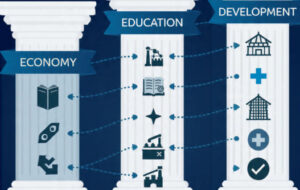
Exploring the Key Topics in Vision 2030
- A Strategic Roadmap for National Transformation
Vision 2030 is built on a carefully designed strategy that boosts competitiveness, empowers society, and diversifies the national economy. One of the most important Key topics in Vision 2030 is economic restructuring, which reduces dependency on oil and opens pathways for global investment. Alongside this transformation, improvements in social development and education ensure sustainable long-term growth.
- Core Pillars of Vision 2030 and Their Purpose
The Vision is structured around three major pillars
A Vibrant Society
A Thriving Economy
An Ambitious Nation
These pillars form a strong foundation for national progress. They support cultural identity, strengthen entrepreneurship, improve public services, and expand opportunities for both individuals and institutions. The influence of these pillars can be seen across strategic development frameworks that outline how Saudi Arabia is accelerating growth within multiple sectors.
Economic Evolution Driven by Vision 2030 Topics
- Building a Competitive and Diversified Economy
The economic transformation under Vision 2030 focuses on reducing reliance on oil and creating a diversified, competitive marketplace. This includes expanding industrial sectors, encouraging private investment, and supporting young entrepreneurs. The entrepreneurial wave is one of the most impactful aspects of the Vision, as highlighted within entrepreneurship growth initiatives, which demonstrate how innovation fuels economic development.
- Digital Transformation and Smart Infrastructure
Technology is at the core of modern economic growth. Digital platforms now power government services, business processes, and essential sectors like healthcare, transportation, and education.
Key advancements include
Smart city development
Artificial intelligence integration
Blockchain solutions
Enhanced cybersecurity systems
These innovations increase efficiency, reduce operational costs, and position Saudi Arabia as a global leader in digital transformation.
- Infrastructure Development as a National Engine
Infrastructure projects are among the strongest economic drivers. Massive investments support transportation networks, urban expansion, tourism, housing, and renewable energy. These improvements not only fuel the economy but also raise the quality of life for residents.
Several of these advancements are studied in infrastructure-focused analyses, which highlight how development supports national stability.
Comparison Table: How Economic Pillars Shape the Future
| Element | Economic Influence | Long-Term Benefit |
|---|---|---|
| Diversification | Expands revenue sources | Reduces oil dependency |
| Digital Innovation | Improves services | Enhances global competitiveness |
| Entrepreneurship | Drives business growth | Increases job opportunities |
Educational Transformation Under Vision 2030
- A Modernized System for Global Competitiveness
Education plays a central role in preparing future generations for modern job markets. Vision 2030 aims to redesign curricula, adopt digital learning tools, and align academic training with market needs. These improvements support a learning environment built for innovation, problem-solving, and real-world application. Detailed insights into this transformation can be found in education development reports, which explore how learning evolves under the Vision.
- Skills of the Future: Preparing Youth for a New Era
Future-ready skills are a top priority. The new educational approach emphasizes
Strong STEM capabilities
Innovation and research
Technical and vocational education
Communication and collaboration skills
These skills equip young people with the knowledge required to excel in global markets.
- Connecting Education with Economic Needs
One of the most important strategies is aligning education with labor market demands. This reduces skill gaps, improves productivity, and strengthens the workforce across multiple industries, ensuring long-term economic resilience.
Social Development as a Cornerstone of the Vision
- Inclusion and Empowerment for All
Vision 2030 prioritizes building an inclusive society that supports individuals from all backgrounds. Programs empower women, youth, and people with disabilities. These initiatives are highlighted within inclusion empowerment studies, which explore how national opportunities are expanding for millions of citizens.
- Strengthening Governance and Transparency
Transparency and governance reforms play a crucial role in national development. Improved regulations, public accountability, and digital government services support trust between institutions and the community. These concepts are explored in governance enhancement projects, reflecting the Vision’s commitment to long-term stability.
- Cultural and Community Growth
Culture, sports, and arts remain vital for building a strong national identity. Through festivals, creative programs, and public events, Vision 2030 encourages community participation and strengthens cultural appreciation across generations.
Notable Achievements of Vision 2030
Key achievements include
Growth of small and medium-sized enterprises
Increased global investments
Expansion of tourism and entertainment industries
Development of mega-projects like NEOM
Evolution of digital services and automation
These accomplishments show how the Vision has moved from planning to active implementation, delivering measurable results in a relatively short period.

Frequently Asked Questions
Q1 — What are the main Vision 2030 topics?
They include economic diversification, digital transformation, educational reform, social development, entrepreneurship, and quality-of-life enhancement.
Q2 — How does Vision 2030 support education?
By modernizing curricula, introducing advanced technology, and preparing students with skills needed for future careers.
Q3 — What role do Vision 2030 pillars play in economic growth?
They support diversification, encourage investment, empower entrepreneurs, and strengthen the workforce.
Q4 — Why is digital transformation important for the Vision?
It improves efficiency, enhances service quality, enables automation, and positions the nation as a global innovation hub.
Q5 — How does Vision 2030 improve social development?
By promoting inclusivity, strengthening governance, and expanding cultural and community programs.
Conclusion
Vision 2030 topics present a comprehensive national strategy that transforms Saudi Arabia through economic diversification, educational modernization, and social development. With its strong pillars and forward-looking initiatives, the Vision empowers people, enhances institutions, and builds a sustainable future. Understanding how these elements work together helps reveal the depth of positive transformation shaping the Kingdom today.