Vision 2030 leadership has become one of the most widely discussed concepts in modern development debates, but what makes leadership speeches so influential in shaping the future of a nation
How can strategic statements guide societies toward progress, investment, and long-term transformation
And why do leaders consistently highlight Vision 2030 as the foundation for a stronger, more competitive, and future-ready country?
These questions matter because Vision 2030 is not a traditional plan. It represents a national turning point that redefines economic ambition, cultural depth, innovation, and the role of citizens in shaping tomorrow. Many of the foundational insights behind the vision were introduced by key national figures, forming what analysts often describe as the Vision 2030 planning team, as explored in resources like Vision 2030 Was Prepared By. Understanding these insights helps us see how leadership messaging created a unified direction for the country.
As the vision began unfolding, public interest shifted toward how these speeches translated into actual transformation. People wanted to understand how objectives could evolve into real-world projects, policy changes, and national investment priorities. That’s why studying leadership statements is crucial: these speeches serve as a roadmap to interpret broader themes found within the Vision 2030 framework, such as those explained in Vision 2030.
Today, the nation is witnessing the results. Initiatives in innovation, entrepreneurship, cultural development, and urban design are expanding rapidly. These outcomes reflect not only strong planning but also strong leadership—leadership that consistently communicates where the country is heading and how it intends to get there.

Vision 2030 leadership in High-Level Speeches
- Themes That Shape Leadership Messages
Leadership speeches often revolve around core development themes: economic strength, sustainable growth, social vibrancy, and global competitiveness. These themes are aligned with strategic focus points identified in national analyses, including the Vision 2030 priorities outlined in Vision 2030 Focuses.
Speeches emphasize modern infrastructure, diversified income, innovation, and an empowered society—all critical components of long-term national advancement.
- Future-Focused Statements About Vision 2030
Forward-looking messages form a consistent pattern across leadership speeches. Leaders envision a future built on
digital innovation
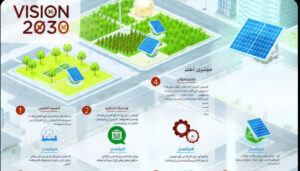
green energy
diversified industries
empowered talent
world-class infrastructure
Their statements reinforce the idea that progress requires continuous adaptation and a readiness to compete globally. This future-centric mindset drives many of the reforms now visible across different sectors.
Vision 2030 Leadership and National Transformation
- Economic Development Commitments
Economic diversification remains a dominant theme in leadership speeches. Leaders emphasize the importance of shifting toward new sectors such as tourism, technology, manufacturing, logistics, and entertainment. They highlight the need to support entrepreneurs and startups—an area deeply explored within the Saudi entrepreneurship ecosystem, discussed in Vision 2030 entrepreneurship.
These messages stress that long-term economic stability depends on innovation, investment, competition, and empowering a capable workforce.
- Social and Cultural Transformation Messages
Leadership statements also underscore the importance of cultural identity and social vitality. Leaders note that a strong and vibrant society forms the backbone of national resilience. Cultural institutions, creative industries, and arts initiatives are all expanding rapidly. These developments mirror insights into the Saudi cultural transformation, as highlighted in Vision 2030 in Art.
Through these initiatives, leadership aims to strengthen national identity while promoting openness and creativity.
- Infrastructure and Innovation Priorities
Another strong theme in speeches is the development of smart and interconnected cities. Leaders frequently reference transportation upgrades, digital platforms, energy reforms, and large-scale urban development. One example is visible in the Jeddah development plans, detailed in Vision 2030 Jeddah.
These projects turn leadership speeches into tangible realities, elevating economic diversity and quality of life.
Statements about Vision 2030 from Key National Figures
- Statements Highlighting Reform and Growth
Leadership statements emphasize transparent governance, streamlined regulations, and policies that attract global investors. They convey a clear message that national growth requires bold reforms, efficient administration, and futuristic planning.
- Youth Empowerment and Entrepreneurship
A recurring theme in speeches is the belief that youth are the driving engine of transformation. Leaders frequently highlight the capacity of young people to innovate, create, and lead emerging industries. The focus on education, technology, and skills development reflects this long-term vision.
- Inclusivity and Community Development
Leadership speeches also address equality, access to opportunities, and the importance of supporting all members of society. The vision includes strong initiatives for inclusivity, such as advanced disability inclusion policies, explained in Vision 2030 and Disability Rights.
These programs strengthen community cohesion and ensure every individual can contribute to national development.
Real-World Applications of Leadership Messages
- Case Study: Transformation in Major Cities
Cities across the Kingdom have undergone rapid modernization directly aligned with leadership themes. Urban development projects now integrate smart systems, tourism districts, cultural zones, and large residential expansions.
Such transformations show the influence of leadership messaging on real-world planning and investment.
- Investments in Culture, Art, and National Identity
Cultural investments reflect a major shift described in leadership speeches. Museums, festivals, entertainment zones, and creative hubs showcase the nation’s commitment to cultural identity and artistic expression. These developments further enhance global engagement and promote local talent.
Comparison Table: Vision 2030 Leadership Themes
| Key Area | Leadership Message | Real-World Reflection |
|---|---|---|
| Economic Growth | Diversify and innovate | New sectors, strong entrepreneurship |
| Social Development | Build vibrant communities | Cultural growth, public engagement |
| Infrastructure | Modernize nationwide | Advanced smart-city projects |
| Innovation | Embrace future technology | Rapid digital transformation |
Internal and External Factors Supporting Vision 2030
- International Partnerships
Leadership speeches often highlight the significance of global partnerships in accelerating progress. International cooperation supports advancements in education, energy, research, and digital systems. These partnerships enhance global positioning and shape long-term national capabilities.
- National Projects and Digital Growth
Leaders consistently emphasize digital transformation as a vital element. Smart government services, cybersecurity frameworks, unified payment systems, and digital identity platforms represent essential components of the national strategy. These advancements streamline daily life and strengthen institutional efficiency.

FAQs
1. Why are Vision 2030 leadership statements so influential
They set clear priorities, align institutions, and guide national development efforts.
2. How do leadership speeches support strategic planning
They outline long-term goals that policymakers convert into strategies and initiatives.
3. What role do youth play in Vision 2030
Youth are central to innovation, workforce development, and economic diversification.
4. Do leadership messages impact investment trends
Yes. They influence investor confidence and highlight sectors with high growth potential.
5. Which sectors reflect leadership priorities most clearly
Tourism, technology, culture, smart cities, and clean energy.
Conclusion
Leadership speeches related to Vision 2030 serve as a powerful blueprint for national progress. They translate ambition into direction, unify public understanding, and set the foundation for long-term transformation. These speeches are not merely statements—they are guiding forces shaping the nation’s identity, economy, and future vision. As projects continue expanding across cities and sectors, the influence of Vision 2030 leadership becomes clearer, demonstrating a commitment to sustainable growth and global relevance.